
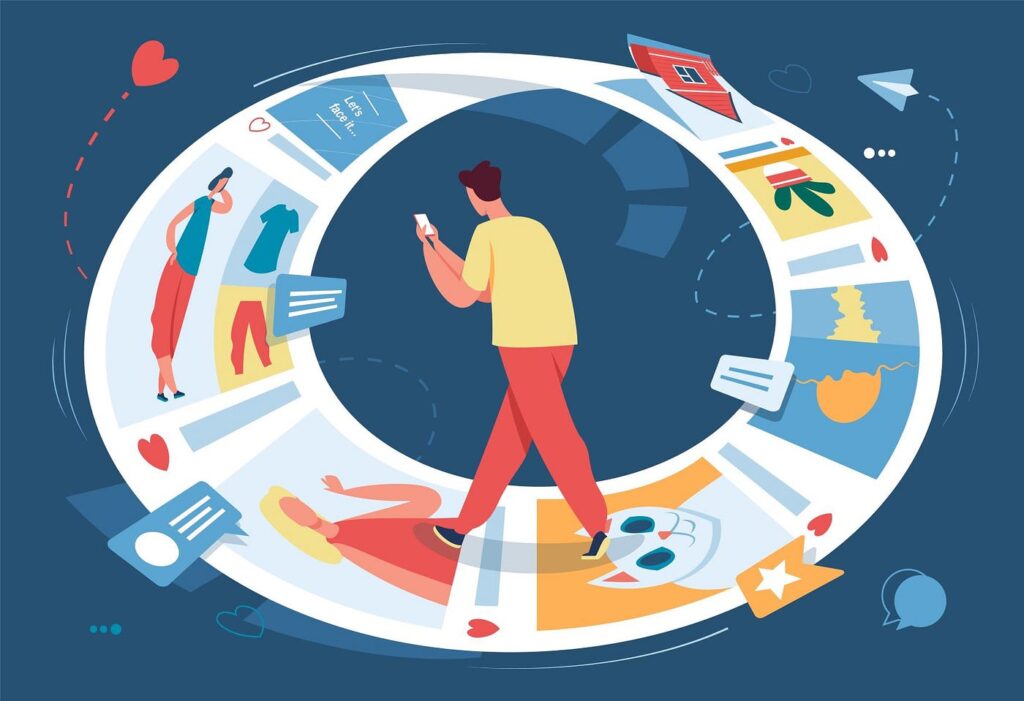
The Psychology of Social Media: Why We Can’t Stop Scrolling
Social media has become an integral part of our daily lives. From checking notifications in the morning to browsing late at night, many people find themselves endlessly scrolling through feeds, stories, and updates. But why is it so hard to put down our phones? Understanding the psychology behind social media usage can help us take control of our habits and use these platforms more mindfully.
The Dopamine Loop
One of the main reasons social media is so addictive is the dopamine loop. Every like, comment, or share triggers a small release of dopamine—a chemical in the brain associated with pleasure and reward. This creates a feedback loop, encouraging us to check our apps constantly, hoping for more positive reinforcement.
While this mechanism can make social media engaging, it also has downsides. Constantly seeking validation through likes or notifications can lead to stress, anxiety, and decreased self-esteem, particularly among younger users.
Fear of Missing Out (FOMO)
Another psychological factor that drives social media usage is FOMO, or the fear of missing out. Users often feel compelled to stay updated on friends, news, trends, or events, fearing they’ll be left out or uninformed.
FOMO can push people to spend more time online than intended, making it difficult to disconnect and enjoy offline experiences. Recognizing this behavior is the first step toward creating healthier digital habits.
Social Comparison
Social media encourages comparison. We often measure our own achievements, appearance, or lifestyle against the curated posts of others. This comparison can lead to feelings of inadequacy or low self-worth, even when users know the content is filtered or staged.
Being aware of these comparisons and limiting exposure to content that triggers negative emotions can help users protect their mental health.
The Role of Community and Connection
Despite its challenges, social media can also be a powerful tool for connection. Online communities allow people to meet others with shared interests, exchange ideas, and find support. Participating in constructive communities or following accounts that inspire growth and learning can turn social media into a positive experience.
Engagement that focuses on learning, collaboration, or creativity—rather than passive consumption—helps users feel more fulfilled and connected.
Strategies for Mindful Social Media Use
To make social media work for us rather than against us, consider adopting mindful strategies:
-
Set time limits: Allocate specific periods for social media use to avoid mindless scrolling.
-
Curate your feed: Follow accounts that inspire, educate, or entertain positively.
-
Take breaks: Step away from screens regularly to focus on offline experiences.
-
Engage intentionally: Comment, share, or post content that has meaning rather than scrolling passively.
-
Reflect on usage: Regularly evaluate how social media affects your mood and productivity.
By applying these strategies, users can maintain a healthy relationship with digital platforms and enjoy the benefits of connection without the drawbacks.
Social Media as a Tool, Not a Trap
The key to balanced social media use is understanding that it’s a tool, not a lifestyle. Awareness of the psychological mechanisms behind engagement—dopamine loops, FOMO, and social comparison—empowers users to make conscious choices about how and why they interact online.
When used intentionally, social media can enhance learning, creativity, and connection, rather than dominate our attention or self-perception.
Conclusion
Social media is a double-edged sword. While it offers incredible opportunities for connection and community, it also comes with psychological risks that can impact our well-being. By understanding these dynamics and using platforms mindfully, we can harness their benefits without succumbing to their pitfalls.
Take control of your scrolling. Engage intentionally. Build connections that truly matter—both online and offline.
#SocialMediaPsychology #MindfulSocialMedia #DigitalWellbeing #HealthyScrolling #OnlineConnection